

 12September
Why Gum Health Matters
When most people think about oral health, they often focus on their teeth. Yet, the foundation of every healthy smile lies in the gums. Gum disease—clinically known as periodontal disease—is one of the most widespread oral conditions affecting adults worldwide. The good news? It is also one of the most preventable.
This condition often begins silently, with little to no discomfort in its early stages, but if neglected, it can progress to tooth loss and is strongly associated with serious systemic health conditions, including diabetes, cardiovascular disease, and stroke.
At Family Dentistry Complete, we emphasize that healthy gums are just as vital as healthy teeth. Let’s take a closer look at how gum disease develops, the warning signs to recognize, what you can do at home, and the professional treatments available to protect your oral and overall health.
Understanding Gum Disease
Gum disease develops gradually, progressing through distinct stages:
- Gingivitis – The earliest stage, caused by plaque accumulation along the gumline. Common signs include redness, swelling, and bleeding during brushing or flossing. The positive news: gingivitis is entirely reversible with consistent oral care and professional cleaning.
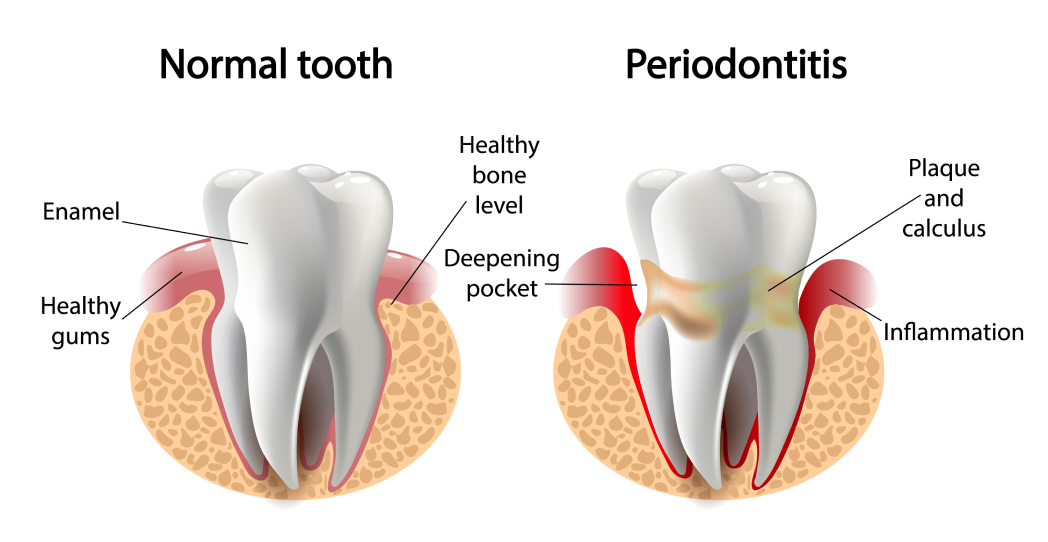
- Periodontitis – When gingivitis is left untreated, it advances to periodontitis. At this stage, the gums begin to detach from the teeth, forming “pockets” where bacteria thrive. This leads to bone loss and teeth that may loosen over time.
- Advanced Periodontitis – The most severe form, characterized by significant destruction of the supporting bone and tissue. Without intervention, this stage often results in tooth loss and can impact overall oral function and health.
Warning Signs to Watch For
Gum disease often progresses quietly, but key indicators include:
- Bleeding gums during brushing or flossing
- Red, swollen, or tender gum tissue
- Persistent bad breath or a bad taste in the mouth
- Gum recession, making teeth appear longer
- Loose or shifting teeth
- Changes in bite alignment or how dentures fit
If you notice any of these symptoms, it’s important to seek a professional evaluation promptly—early diagnosis leads to the most effective treatment.
Managing Gum Health at Home
Strong daily habits are your best defense against gum disease:
- Brush twice daily with a soft-bristled toothbrush and fluoride toothpaste, paying close attention to the gumline.
- Floss once daily to clean areas your toothbrush cannot reach.
- Consider an antibacterial mouth rinse if recommended by your dentist.
- Drink plenty of water to help wash away food particles and support saliva production.
- Maintain a balanced diet rich in vitamins, minerals, and fiber to support gum health.
- Avoid tobacco in all forms—it is one of the strongest risk factors for gum disease.
Professional Treatments for Gum Disease
Even the best home care cannot replace professional evaluation and treatment. At Family Dentistry Complete, we provide a full range of periodontal therapies:
- Professional Cleanings – Regular cleanings remove plaque and tartar that accumulate even with diligent brushing and flossing.
- Scaling and Root Planing – A deep-cleaning procedure that eliminates bacteria beneath the gumline and smooths root surfaces to promote healing.
- Antibacterial Therapy – Targeted medications and rinses may be used to reduce bacterial infection and inflammation.
- Periodontal Maintenance – Patients with gum disease may require more frequent visits, typically every 3–4 months, to stabilize their condition.
- Advanced Surgical Options – In advanced cases, procedures such as flap surgery, bone grafts, and tissue regeneration can restore lost support and help preserve natural teeth.
The Connection Between Gum Health and General Health
Modern research continues to reveal how deeply oral health and systemic health are intertwined. For example:
- Heart Disease – Chronic inflammation from gum disease may contribute to arterial damage.
- Diabetes – Gum disease complicates blood sugar control, while diabetes increases susceptibility to periodontal infections.
- Pregnancy – Severe gum disease has been linked to complications such as premature birth and low birth weight.
Maintaining gum health isn’t just about protecting your smile—it’s about safeguarding your entire well-being.
In Summary
Gum disease is common, yet it does not have to be inevitable. With consistent daily care and professional support, it can be prevented, controlled, and treated successfully. By prioritizing your gum health, you protect your teeth, your smile, and your overall health.
Have you noticed bleeding gums or other signs of gum disease? Schedule a visit with Family Dentistry Complete today. Our team will provide a thorough assessment, effective treatment, and a personalized plan to keep your gums—and your health—strong for years to come.